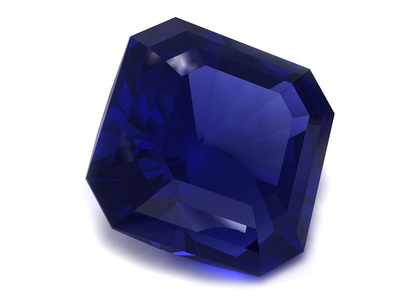
Citrine is a yellow variety of quartz. It is softer than gemstones such as ruby and sapphire, and its hardness is rated 7 out of 10 on the Mohs scale. A lot of the citrine on the market is actually amethyst (also a variety of quartz) whose color has been changed through heat treatment.

Citrine gemstone
Citrine is a good choice for rings, as it is a relatively hard stone. However, it can be cracked if exposed to a strong direct blow, so avoid wearing your citrine ring during vigorous activities.
Throughout history, citrines have been valued for their beauty and brilliance. They remind us of the bright, warm sun and the vitality of life. Their vibrant yellow color and shining clarity often represent a healthy mind and body as well as happiness and success.
The Symbolism of the Color
Citrines are well known for their magnificent warm coloring and the shining clarity of the polished gems. They can be found in shades ranging from bright yellows to gorgeous tangerines to deep burnt orange colors.
These stones evoke images of sunny warmth and illumination, and it’s no surprise they are associated with positivity, romantic passion, and lively summer days.
Most of the symbolic meaning connected with citrine is derived from its brilliant color.
When you see this sparkling citrusy gem, you cannot help but think of freshness, vitality and happiness.
A Symbol of Mental Clarity and Emotional Well-Being
Citrines have long been associated with mental clarity.
Some ancient cultures believed that wearing the gems or placing them on the forehead would help to open the mind and energize one’s creativity and intellect.
Traditionally, the color yellow represented the inquisitive side of our minds and helps stimulate logical thinking and intelligent inspiration.
The warmth and transparency of the stone was also said to promote mental comfort and energy to help you organize your thoughts and meditate.
People have also turned to citrines to clear their minds and hearts of emotional baggage. The cheeriness of the gem evokes thoughts of joy and elevated moods.
Giving a citrine stone or citrine jewelry as a gift can be a symbol for hospitality, friendship, hope and happiness.
Wearing a citrine, especially in a necklace or pendant near the heart, is associated with wishes for increased self-esteem, good luck and emotional harmony.
The Merchants’ Stone
Citrines have long been revered as bringers of luck, especially in business and trade; some even call this gem the Merchants’ Stone. It’s not hard to see why.
With their luxurious golden hue, citrines are associated with wealth, prosperity and success.
Perhaps this is related to the idea that these stones help you think clearly and make good decisions or perhaps a happy, sunny disposition makes you more attractive to do business with.
Then again, maybe these gems truly are lucky!
Either way, citrine jewelry is a wonderful choice for the workplace or for that big meeting you have coming up.
Some small businesses even like to keep a stone in the cash drawer as a wish for good fortune.
Cleaning Citrine
Citrine jewelry can be cleaned with water and soap or with jewelry cleaner that doesn’t contain harsh chemicals.
- First, fill a bowl with warm water. Add some soap or mild detergent to prepare a cleaning solution.
- Soak the citrine jewelry in the water for about 30 minutes.
- Remove the jewelry from the bowl and clean the citrine gemstone by scrubbing it gently, preferably with a soft toothbrush or a cloth.
- Clean the rest of the jewelry by rubbing it gently with a brush, paying special attention to the hard-to-reach parts of the setting, where dirt tends to accumulate.
- Rinse the jewelry well with water. Dry with a soft cloth. Letting the jewelry air dry might result in spots on its surface, especially on the gemstones.
Important: Do not steam-clean citrine – this stone should not be exposed to heat and may be damaged by it.
Ultrasonic Cleaning for Citrine
Citrine gemstones can be cleaned in an ultrasonic cleaner.
However, keep in mind that ultrasonic cleaning may loosen the setting of your ring and make its stones more likely to fall out.
If your citrine has been coated with a dye to enhance the stone’s color, do not put the gem in an ultrasonic cleaner, as the coating may get damaged.
Citrine that has been fracture filled should also not be cleaned in an ultrasonic cleaner, as the vibrations that it produces may damage the stone’s filling.
Storing Your Citrine Properly
If you store your citrine together with other pieces, they may scratch each other. To avoid this, wrap your citrine jewelry individually in a soft cloth or put it in a plastic bag.
Do not put away your citrine before it has completely dried out after cleaning.
Wearing a Citrine Ring
Do not wear your citrine when washing the dishes or doing other work, as the stones may get damaged. Keep in mind that harsh cleaning detergents, such as bleach, can alter citrine’s color.
Hairsprays and perfume can also cause citrine’s color to change. It’s best to put on your citrine jewelry last, after you have applied makeup and other beauty products.
Do not expose citrine to prolonged heat or sunlight, as the stone’s color may be affected.
Do not expose citrine to sudden changes in temperature – such variations may damage the stone by causing it to fracture.