• Jewelry Fashion
  • Shopping & Selling Tips
  • Jewelry Care
  • Gemstones
  • Metals
  • Materials
  • Jewelry Basics

Home » Jewelry Cleaning & Care Tips »

How to Take Care of Your Coral Jewelry

Coral jewelry was the rage during the Victorian era and is still popular today, even as it has become more and more scarce as many coral reefs have come under governmental protection. So a piece of coral jewelry that has been passed down through the generations is a precious item indeed.

How Coral Is Created
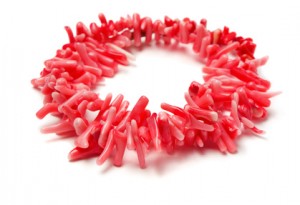
Pink handmade natural coral necklace

Handmade pink coral necklace

Coral, like pearl, is an animal product and not a stone or mineral.

The animal is a polyp with a frankly odd and complicated life cycle that forms large colonies, which sometimes branch out like trees or antlers.

Eventually, the animal constructs a limestone skeleton from calcium that it has extracted from the sea.

Cleaning Coral

Because coral is very soft, it has to be treated with great care. It should be cleaned with a soft, clean cloth, and then rinsed in warm, soapy water.

It should never be soaked, nor put in an ultrasonic cleaner, nor subjected to a jewelry dip.

If the coral is dusty, the dust can be blown off with a can of compressed air, which can be bought at an office supply store.

DEAL ALERT: Get 25% OFF engagement ring settings from Blue Nile.

The coral can also be rinsed in the sink, and then dried thoroughly with a soft cloth.

How to Store Coral

Coral jewelry should be stored in its own soft fabric pouch or in its own till in the jewelry box so that it’s not scratched.

Larger pieces of coral jewelry should be wrapped in tissue so they don’t scratch other objects beside them.

Wearing Coral Jewelry

Coral jewelry should only be worn after the person has put on their perfume and make-up and needs to be taken off when they go swimming, wash the dishes, clean, or cook with vinegar.

Coral Color and Value

Coral can come in a variety of colors, from soft pink to red to black, which is the color of the precious coral found in the Great Barrier Reef off Australia.

Gemologists believe that the more even the color of a coral, the greater its value.

Coral Used in Jewelry

Coral was often cut into beads to form necklaces, cameos or flowers for brooches.

The coral that’s used for jewelry is called precious coral. It has a hard core or internal skeleton that can take a high polish.

Precious coral comes from the Mediterranean, the Sea of Japan and the Great Barrier Reef.
Disclosure: Some of the links on our site may help us earn affiliate commissions from advertisers. As an Amazon Associate, we may earn from qualifying purchases. Learn more

Read Next

  • Opal Guide: Quality, Symbolism, and Care
  • What Is the Difference Between I1 and I2 Diamond Clarity?
  • How to Trade In Your Diamond or Engagement Ring
More: Coral Gemstones Materials


Related Articles
  • The beauty wedding ring
    How to Care for Your Titanium Jewelry
  • Platinum wedding rings
    How to Clean and Care for Your Platinum Jewelry
  • Silver jewelry
    How to Clean and Care for Your Silver Jewelry
  • Ring with aquamarine
    How to Care for Your Aquamarine Jewelry
Additional Resources
  • Coral jewelry care
  • Coral Gemstone Information

Popular Topics
• Rings
• Necklaces
• Bracelets
• Earrings
• Diamonds
• Pearls
• Gemstones
• Gold Jewelry
• Silver Jewelry
• Platinum Jewelry

  • More Jewelry Topics
    • How to Tell Real from Fake Pearls
    • How to Value 14K Gold
    • How to Clean and Care for Ruby Jewelry
    • Should You Always Choose Gemstones of Higher Clarity?
    • What Is I1 Diamond Clarity and Should You Buy I-Clarity Diamonds?
    • Diamond Clarity Guide
    • How to Detect a Fake Opal Gemstone
    • Diamond Color: Argyle Grading Scale vs. GIA Grading Scale
    • Which Diamond Cut Has More Sparkle: Asscher Cut or Cushion Cut?
    • How to Care for Stainless Steel Jewelry


  • The Magazine
    • Home
    • About Us
    • Contact Us
    • Privacy Policy and Disclosures
  • Categories
    • Jewelry Fashion
    • Shopping & Selling Tips
    • Jewelry Care
    • Gemstones
    • Metals
    • Materials
    • Jewelry Basics
  • Topics
    • Diamond Cut Quality Guide
    • Rings
    • Necklaces
    • Bracelets
    • Earrings
    • Diamonds
    • Pearls
    • Gemstones
    • Gold Jewelry
    • Silver Jewelry
    • Platinum Jewelry
  • Connect with Us
    Connect with Jewelry Notes via FacebookConnect with Jewelry Notes via Twitter

 
Copyright © 2012-2026 Jewelry Notes
All rights reserved.
24905400
Jewelry NotesLogo Header Menu
  • Jewelry Fashion
  • Shopping & Selling Tips
  • Jewelry Care
  • Gemstones
  • Metals
  • Materials
  • Jewelry Basics